
Quaint Tales shares practical, down-to-earth guidance on british folklore, local history and countryside heritage for readers across the UK.
- 0123456789
- Angle Bd Abdelmoumen & rue soumaya, Résidence
- [email protected]
Quaint Tales shares practical, down-to-earth guidance on british folklore, local history and countryside heritage for readers across the UK.
 By Oliver Hartley
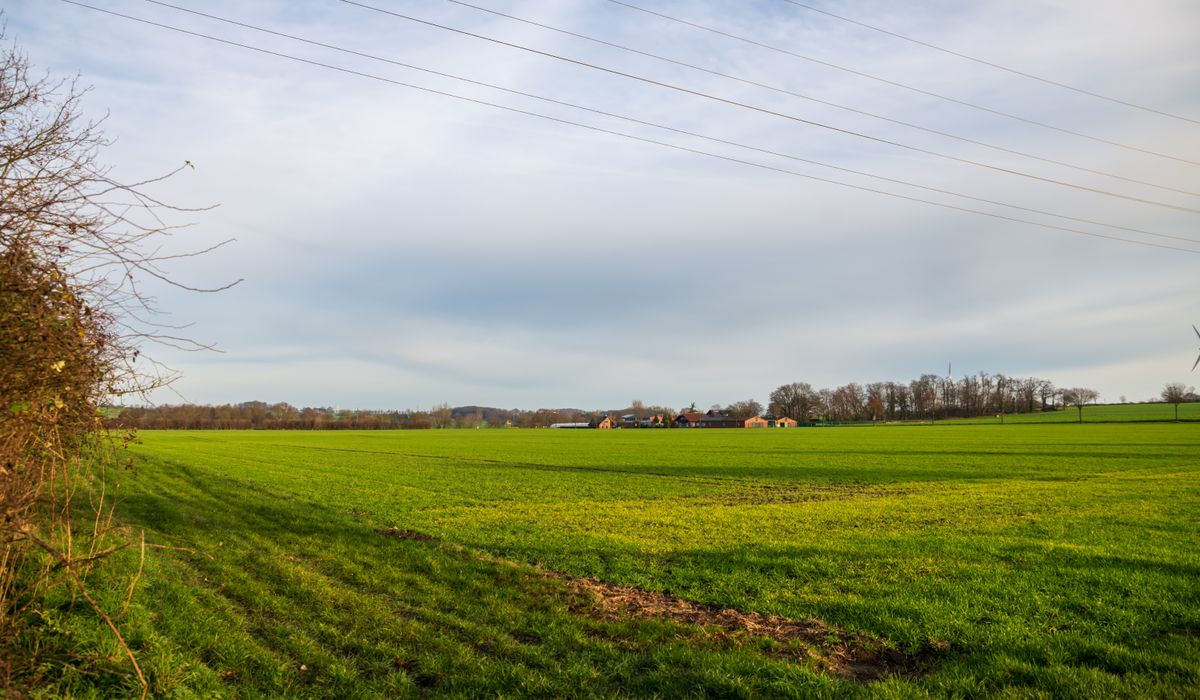
Ancient British woodlands are living history. Before you focus on individual trees, look at the ground flora. Bluebells, wood anemone, dog's mercury, and wild garlic are classic indicators of long-established woodland. If you see these in abundance, you're likely in a site that has been wooded for centuries. Take your time. Visit the same wood in spring, summer, autumn and winter. A hand lens and a good field guide will serve you better than any app. Compare bark, leaves, buds and seeds, and never rely on a single feature.
Britain has two native oaks: the pedunculate oak (Quercus robur) and the sessile oak (Quercus petraea). Both are magnificent. Bark: deep, rugged fissures, often clothed in moss and lichen. Leaves: lobed, but check the leaf stalks. Pedunculate oak has very short stalks, while sessile oak has longer ones. Acorns: pedunculate acorns hang on long stalks (peduncles); sessile acorns sit directly on the twig. In winter, look for clusters of orange-brown buds at the tips of twigs. Ancient oaks often become stag-headed, with dead branches emerging from the crown, and may be hollow. Oak apples and spangle galls are common. In autumn, the ground beneath an oak will be littered with acorn cups.
Ash (Fraxinus excelsior) is easily recognised by its opposite buds. In winter, these buds are black and velvety, a unique feature among common British trees. Young bark is smooth and grey; mature bark develops diamond-shaped ridges. Leaves are pinnate, with 7 to 13 serrated leaflets arranged in opposite pairs. Seeds are the familiar ash keys, hanging in dense clusters. Ash thrives on limestone and in wet woodlands. Be aware of ash dieback, which causes blackened bases of shoots and dieback in the crown, but don't confuse it with natural shading. In spring, ash leaves appear later than oak, giving the saying 'oak before ash, we're in for a splash'.
Beech (Fagus sylvatica) is a tree of chalk and limestone. Bark is smooth, grey and often wrinkled, like elephant skin. Leaves are oval, glossy, with wavy margins and silky hairs when young. In winter, look for long, slender, sharp buds set at an angle to the twig; they are copper-brown. Seeds are the mast: triangular nuts enclosed in prickly husks. Beech leaf litter is slow to decompose, so the ground beneath is often bare of undergrowth. Old beech trees may have buttressed roots and a dense canopy. In autumn, the leaves turn a rich copper before falling, and many remain on the tree into winter.
Once you can spot the majors, build a wider picture. Use this quick guide:
Winter is the best time to learn buds and bark. Spring brings leaves and flowers. Summer offers the full canopy. Autumn gives seeds and leaf colour. Carry a hand lens and a notebook. Note the smell of crushed leaves: lime has a sweet scent, while ash is neutral. Look for ancient woodland features: coppiced stools, pollarded trees, boundary banks and ditches. Take photographs of bark, leaf, bud and seed for later reference. Practice identifying the same tree throughout the year. With patience, you'll read the woodland like a familiar book.


We are not gonna make spamming
