
Quaint Tales shares practical, down-to-earth guidance on british folklore, local history and countryside heritage for readers across the UK.
- 0123456789
- Angle Bd Abdelmoumen & rue soumaya, Résidence
- [email protected]
Quaint Tales shares practical, down-to-earth guidance on british folklore, local history and countryside heritage for readers across the UK.
 By Harriet Pemberton
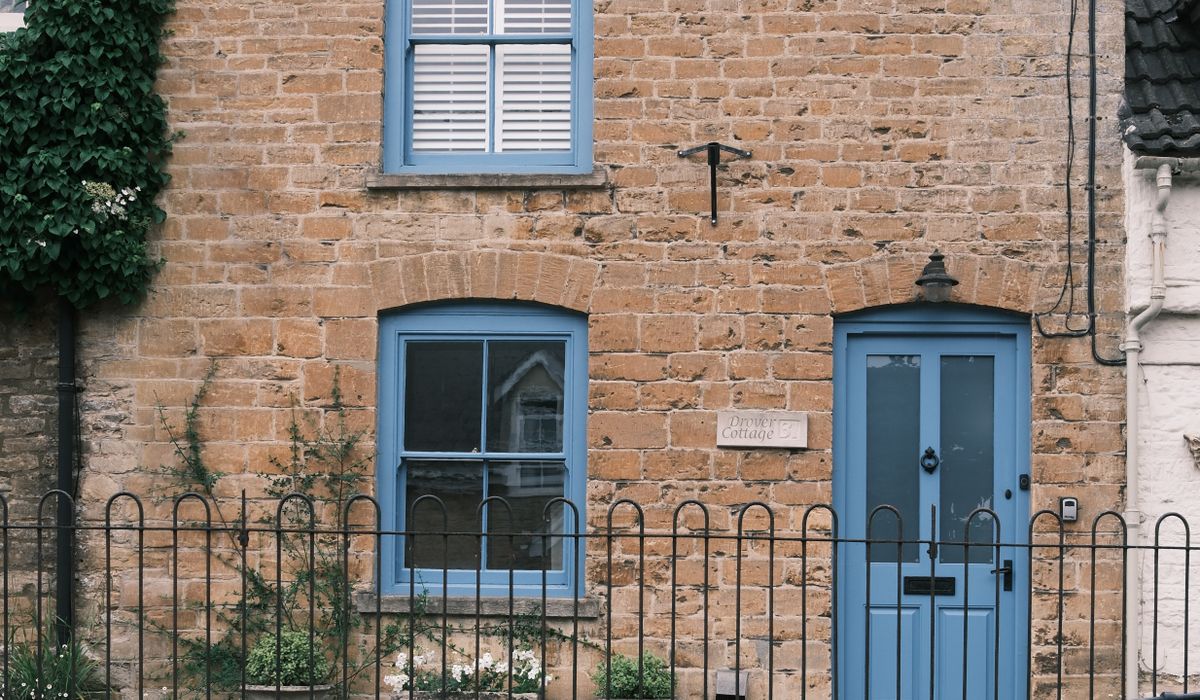
Most British folklore was never written down for beginners. It was attached to things you can still stand next to: a thorn tree on a parish boundary, a well with rags tied to its railings, a standing stone in a field corner, a churchyard yew older than the church itself. The stories travelled by word of mouth, and they stayed put because the landmark stayed put.
That is good news if you are starting out. You do not need a library or a research degree. You need a pair of boots, an hour on a footpath, and enough plant knowledge to notice when a hedgerow changes. Wildflowers are the most reliable signposts we have: they tell you what kind of ground you are on, how old the boundary is, and often where a story has been told for centuries.
Ancient hedgerows — those with several woody species in a thirty-yard stretch — usually follow old parish or manor boundaries. The flowers beneath them change with the seasons, and each has picked up its own folklore.
A hand lens and a pocket guide will carry you a long way. So will slowing down: most beginners walk past the best verge of the day without seeing it.
Once you can read the ground, the stories start to make sense of it. Look for these features on any Ordnance Survey map and you will usually find a legend attached within a parish or two.
Place names are your shortcut. Anything beginning with Puck, Hob, Fairy, or ending in -well, -thorn or -cross is worth a look on the map before you set out.
Folklore is seasonal, and so is the countryside. A simple year looks like this:
Keep it practical and keep it small. A notebook with the date, a six-figure grid reference, the weather, and a one-line description is worth more than a hundred photographs you never label. Note which flowers are out, what the hedgerow is made of, and any story a passer-by, church noticeboard or pub sign offers you.
On access, be straightforward: follow the Countryside Code, keep to public rights of way, shut gates, and keep dogs under control near livestock. Picking a few common flowers for personal use is generally acceptable, but uprooting any wild plant without the landowner's permission is an offence, and some species — including bluebell — are protected against sale. Carry a guide, take nothing rare, and leave the verge as you found it.
Local legends grow in the telling, which is part of their charm. If you want to be accurate as well as entertained, cross-check a claim against a county folklore collection, a parish history, or the local record office. Ordnance Survey maps, tithe maps and place-name dictionaries will often tell you whether a "medieval" stone is genuinely old or a Victorian folly. Being clear about what is documented, what is traditional, and what is simply a good yarn is the mark of a careful enthusiast — and it makes you far better company on a walk.


We are not gonna make spamming
